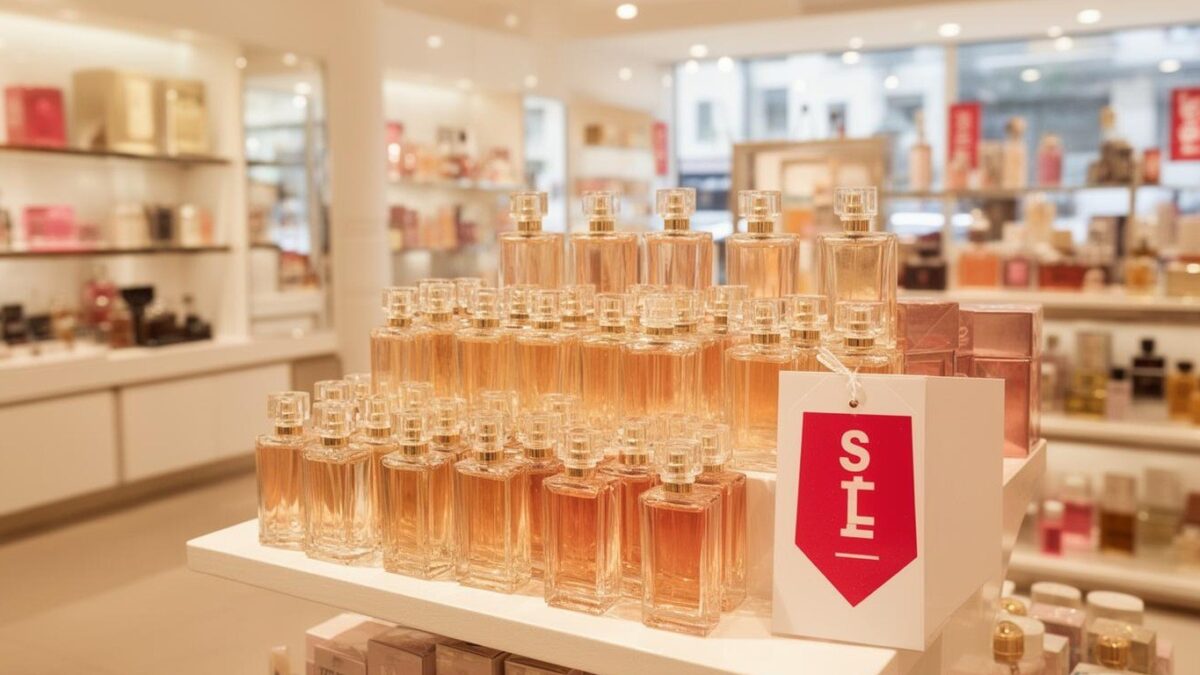

Walk into a fragrance counter and the vocabulary arrives all at once: citrus, aldehydic, floral, oriental, woody, fresh, chypre, gourmand. The words sound like a secret code, and many gift buyers nod along while choosing by the shape of the bottle. Yet the family a scent belongs to is one of the most useful clues to whether it will suit a particular person, because it tells you the dominant character of the perfume before you spray it.
This guide explains the main fragrance families, what each one tends to smell like, how they behave on skin and how to match a family to a recipient’s taste. It describes how perfumes are commonly grouped, not what any particular bottle will do on any particular person. Skin chemistry, climate and the perfume’s concentration all change the result, and a sample is always the best guide.
Short answer: fragrance families group perfumes by their dominant character, such as citrus, floral, woody or oriental. The family is a useful guide, but the notes and the skin decide the final result.
What a fragrance family is
A fragrance family is a grouping of perfumes that share a dominant character, usually built around one or two main ingredient groups. Perfumers and retailers use families to organize their ranges, and the names are guides rather than rules. A single perfume can sit across two families, and two perfumes in the same family can differ a great deal.
The family tells you the direction of the scent, while the notes tell you the details. Top notes are the first impression, heart notes develop as the perfume settles and base notes linger longest. A family describes the overall feel that these notes create together.

Citrus
Citrus fragrances are bright, clean and lively. They are built around fruit peels such as lemon, orange, bergamot and grapefruit, and they often smell crisp, energetic and uplifting. Citrus scents tend to fade faster than woody or amber scents, because the lighter top notes evaporate quickly.
Citrus suits warm weather, active days and people who enjoy an airy, fresh character. It is often a good choice for a first fragrance, since it is generally approachable. The downside is longevity. Many citrus scents need reapplying during the day, so consider a richer scent for an evening gift.
Floral
Floral fragrances are centered on flowers such as rose, jasmine, lily, iris and orange blossom. They range from soft and powdery to rich and heady, and they can feel romantic, elegant or playful depending on the blend.
Floral perfumes are popular across many tastes, but they can divide opinion. Some people find heavy florals overwhelming, while others love their softness. White floral scents, built around jasmine and tuberose, can be intense, and rose-based scents often feel warmer and more gentle. Sampling helps decide where the recipient sits on that spectrum.
Woody
Woody fragrances use notes such as sandalwood, cedar, vetiver and patchouli. They smell warm, grounded and often dry, and they are associated with a sense of quiet confidence. Woody scents usually last well on skin and are a strong choice for colder months.
Woody perfumes can feel serious, and some are darker or smokier than others. They suit people who prefer understated scents and who like a fragrance that stays close to the skin rather than announcing itself across a room.
Fresh
Fresh fragrances include aquatic, green and clean scents. Aquatic notes suggest water and sea air, green notes suggest cut grass and leaves, and clean notes suggest soap or linen. They are light, modern and often unisex in character.
Fresh scents suit daytime wear and people who want a crisp, unfussy feel. Like citrus, many fresh fragrances fade relatively quickly, though some build well on skin. They are a sensible choice for a recipient who wants something easy to wear to work.
Oriental and amber
Oriental or amber fragrances combine warm notes such as vanilla, resins, spices and amber. They feel rich, sensual and enveloping, and they are often strong and long-lasting. They suit evenings and cold weather.
Because they are intense, orientals are best sampled before buying. A small amount can be overwhelming in a closed room, and some people find them too heavy for everyday wear. They are, however, a classic choice for a special occasion.
Gourmand
Gourmand fragrances use edible-smelling notes such as vanilla, caramel, chocolate and coffee. They are sweet, comforting and often playful. Gourmands are popular with younger buyers and with people who enjoy a warm, cozy scent. Like other sweet blends, they can be strong, so test them with care.
Matching a family to a recipient
Ask what the recipient already wears, what they like to smell around them in candles or soaps and what they avoid. A person who wears a lot of wood-scented products may enjoy a woody perfume, while someone who prefers bright, clean fragrances may lean toward citrus or fresh.
Consider the setting, too. A scent for daytime office wear is different from a scent for winter evenings. If you cannot find out, a fresh or soft floral scent is often a safer starting point, since it is widely enjoyed.
Skin, climate and sampling
Skin chemistry affects how a scent develops. Oil-rich skin often holds fragrance longer, while dry skin can make it fade faster. Heat and humidity intensify some scents and soften others. The same perfume can smell different on two people, which is why sampling is worth the time.
We do not give dermatological advice. If the recipient has a skin condition or a known sensitivity to fragrance, check the ingredients and speak to a physician or dermatologist before buying. Our guide to sampling before buying explains how to test a fragrance properly.
Questions to ask in the store
- How would you describe the family, and what are the top, heart and base notes?
- How long does the scent last, and how does it project?
- Can I sample it on skin rather than only on a paper strip?
- How does this family differ from the one I am considering?
- Is there a smaller size or a sample if the recipient is unsure?
The short version
Fragrance families group perfumes by their dominant character: citrus and fresh for brightness, floral for softness, woody for warmth, oriental and amber for richness and gourmand for sweetness. Match the family to the recipient’s habits and settings, check longevity and projection, and sample before you buy. A family is a guide, and the skin decides the final result.
Family questions
Which family is safest for a gift?
Fresh and soft floral scents are widely enjoyed, but the best choice depends on the recipient’s taste. A sample is the best guide.
Do family names appear on the bottle?
Not always. Retailers and product pages often list the family, but the wording varies by brand.
Can a family change on skin?
Yes. Heat, skin type and activity change how a scent develops over time.