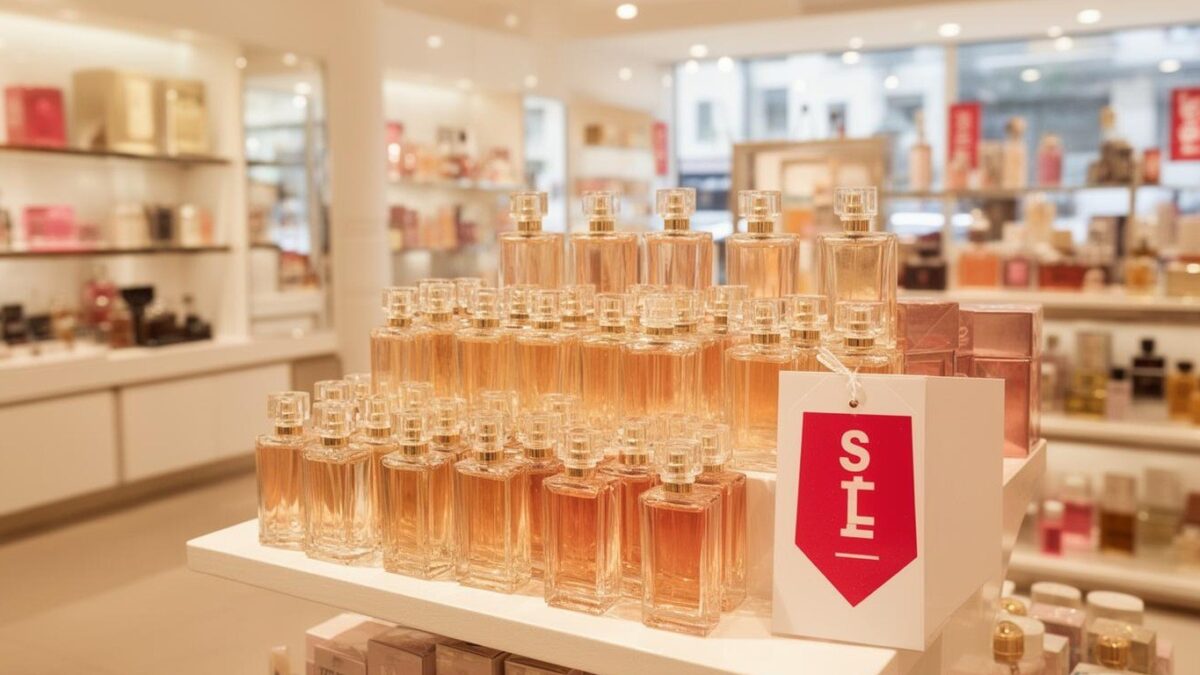

The labels on a perfume bottle read like a list of rules that nobody explains. Eau de parfum, eau de toilette, eau de cologne, extrait, parfum. Each name refers to the concentration of fragrance oil in the liquid, and the concentration determines how strong the scent is at first, how long it lasts and how far it projects. Knowing what the labels mean lets a gift buyer choose a bottle that suits the recipient’s preferences rather than the one with the most impressive packaging.
This guide explains the common concentrations, how they relate to strength and longevity, why the same perfume can behave differently in two concentrations and how to choose the right one for a gift. The figures for concentration vary by brand and product, so check the label or the maker’s specification for the exact percentage. Nothing here guarantees how a particular fragrance will perform on any individual.
In brief
- Concentration sets strength and how long a scent lasts.
- Parfum and eau de parfum last longest and project most.
- Eau de toilette and cologne are lighter and fresher.
What concentration means
Perfume is a blend of aromatic oils dissolved in alcohol and water. The concentration is the share of those oils in the final liquid. A higher share generally means a richer, longer-lasting scent. A lower share gives a lighter scent that fades faster, and that can be more suitable for daytime or for people who prefer subtlety.
The terms used on bottles are not standardized in every country, and the ranges given below are typical, not legally fixed. Check the specific product, and ask the seller for the concentration if it is not printed on the box.

Parfum and extrait
Parfum, sometimes called extrait, is the most concentrated form. It has the highest share of fragrance oil, which gives it the greatest depth and longevity. A small amount goes a long way, and parfum is often sold in a smaller bottle at a higher price per milliliter.
Parfum suits special occasions and people who want a scent that stays on skin for many hours. Because it is strong, it is best applied sparingly, and it can be overwhelming in a warm room or a crowded space. Sample it before buying a full bottle.
Eau de parfum
Eau de parfum is a strong concentration, below parfum but above most other forms. It typically lasts for many hours and projects well enough to be noticed by people nearby. Many modern fragrances are sold as eau de parfum, and it is a popular choice for evening wear and for those who want a noticeable but not overwhelming scent.
For a gift, eau de parfum is often a safe choice. It balances longevity with a level of projection that suits most settings. Check the size of the bottle and the price per milliliter, since the same family can be sold in several sizes.
Eau de toilette
Eau de toilette is a lighter concentration, with a fresher and more transparent character. It typically lasts for a shorter time than eau de parfum, and it projects less. Eau de toilette suits daytime wear, warm weather and people who prefer a light scent that does not linger.
The lighter concentration can also make the scent feel brighter, since the top notes are more prominent. Many people who find eau de parfum too heavy prefer eau de toilette. For a recipient who wears fragrance daily at work, eau de toilette may be a comfortable choice.
Eau de cologne
Eau de cologne is the lightest common concentration, usually refreshing and short-lived. It is often associated with a clean, crisp character and is popular for hot days and as a refresher during the day. Cologne may need reapplying more often.
Cologne can be a thoughtful gift for someone who likes a fresh, quick scent, and it is a sensible choice for a first fragrance. Its low concentration means it is gentle in a crowded room, which suits a shared office or a gym.
Body mists and other forms
Body mists and splashes are lighter still, often with a low concentration of fragrance oil. They are inexpensive and easy to layer, but they fade quickly. They suit a gift for a teenager or a light daily touch-up, though they are less suitable as a main fragrance for someone who wants a lasting scent.
Matching the concentration to the recipient
- Wants a long-lasting scent for evenings: parfum or eau de parfum.
- Wants an everyday scent for work: eau de parfum at a moderate size, or eau de toilette.
- Wants a fresh scent for summer: eau de toilette or cologne.
- Is unsure about strong scents: a lighter concentration, or a sample set.
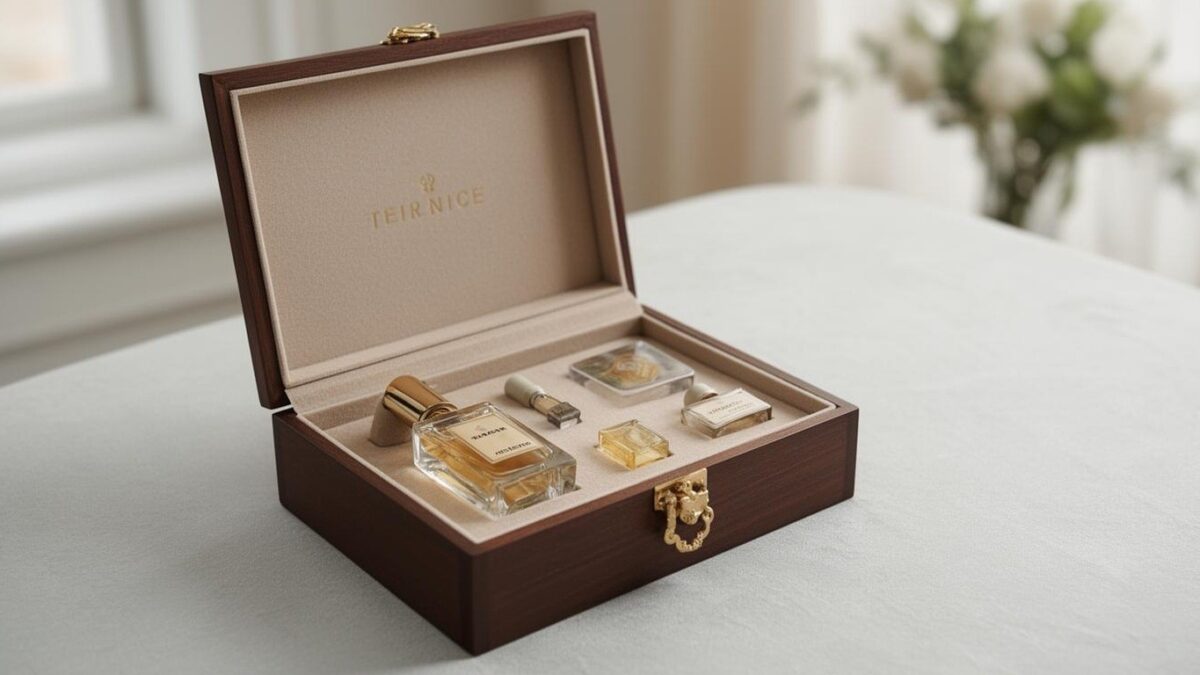
Consider the recipient’s tolerance for strong scents, their workplace and their climate. If you cannot ask, a gift set with a few sample sizes can be an easy way to let them choose.
Price per milliliter
Compare the price per milliliter rather than the price of the bottle. A large bottle of eau de toilette may cost less per milliliter than a small bottle of parfum, but the parfum may last just as long on skin because less is needed. The cost to wear is the real comparison.
Our guide to fragrance gift sets explains how to compare sizes and extras in a set, and early-December sales covers how to check prices before buying.
Questions to ask
- What is the concentration, and is it printed on the bottle?
- How long does the fragrance last on skin, according to the maker or reviews?
- Is there a sample or a smaller size if the recipient is unsure?
- What is the price per milliliter for each size?
- How should the fragrance be stored to keep its character?
The short version
Concentration sets strength and longevity. Parfum and eau de parfum last longest and project most, eau de toilette is lighter and fresher and cologne is the most refreshing and short-lived. Choose by the recipient’s daily life and tolerance for strong scents, compare the price per milliliter and use samples when you can. The right concentration is the one the recipient will want to wear every day.
Choosing a concentration
- Check the concentration printed on the bottle.
- Compare the price per milliliter, not the bottle price.
- Choose a size that the recipient can use in a few months.